We deploy experienced technicians who specialize in cleaning Restaurant Hood fire suppression systems in commercial kitchens. Each team member understands the system’s components and uses water-only pressure cleaning to clear grease from nozzles, ducts, and detection lines without causing damage. Our technicians follow a structured Grease Filter Exchange Process that includes regular scheduling, safe removal of dirty filters, installation of new high-quality filters, off-site cleaning and restoration, and rotation of clean filters to maintain safety and efficiency.
Restaurant Hood Cleaning
Maintaining a clean and fully functional Ansil fire suppression system is critical for kitchen safety and regulatory compliance. Our routine cleaning service targets grease, dust, and debris that can impair system operation or trigger false alarms. Below are the most frequently asked questions about how our water-based cleaning process works and how it supports fire safety standards like NFPA 96 and UL 300. Let us help you understand what to expect and why this service matters for your commercial kitchen.
Quality That Meets Fire Safety Standards
Our Restaurant Hood cleaning service is designed to uphold industry standards such as NFPA 96 and UL 300. Our certified technicians remove grease buildup and debris from suppression piping and controls to ensure full system functionality and optimal fire protection. This proactive maintenance supports fire compliance, provides inspection documentation, and helps reduce the risk of system failure. We also provide Scheduled Hood Cleaning and Grease Filter Replacement Services tailored to your kitchen’s activity level and compliance requirements. Regular scheduling ensures your system remains efficient, clean, and fully aligned with local fire codes while reducing long-term maintenance costs.
Technicians Trained for Precision and Safety
Routine Ansil system cleaning is a critical part of maintaining kitchen safety and fire prevention in commercial food establishments. Over time, grease and residue can accumulate on nozzles, piping, and other fire suppression components, reducing system effectiveness. Our professional cleaning service removes this buildup using safe and thorough methods, helping your kitchen stay compliant with fire codes and ensuring your fire suppression system functions properly in case of emergency. This not only protects your staff and property but also keeps your business running smoothly without interruptions.
Experienced Professionals You Can Trust
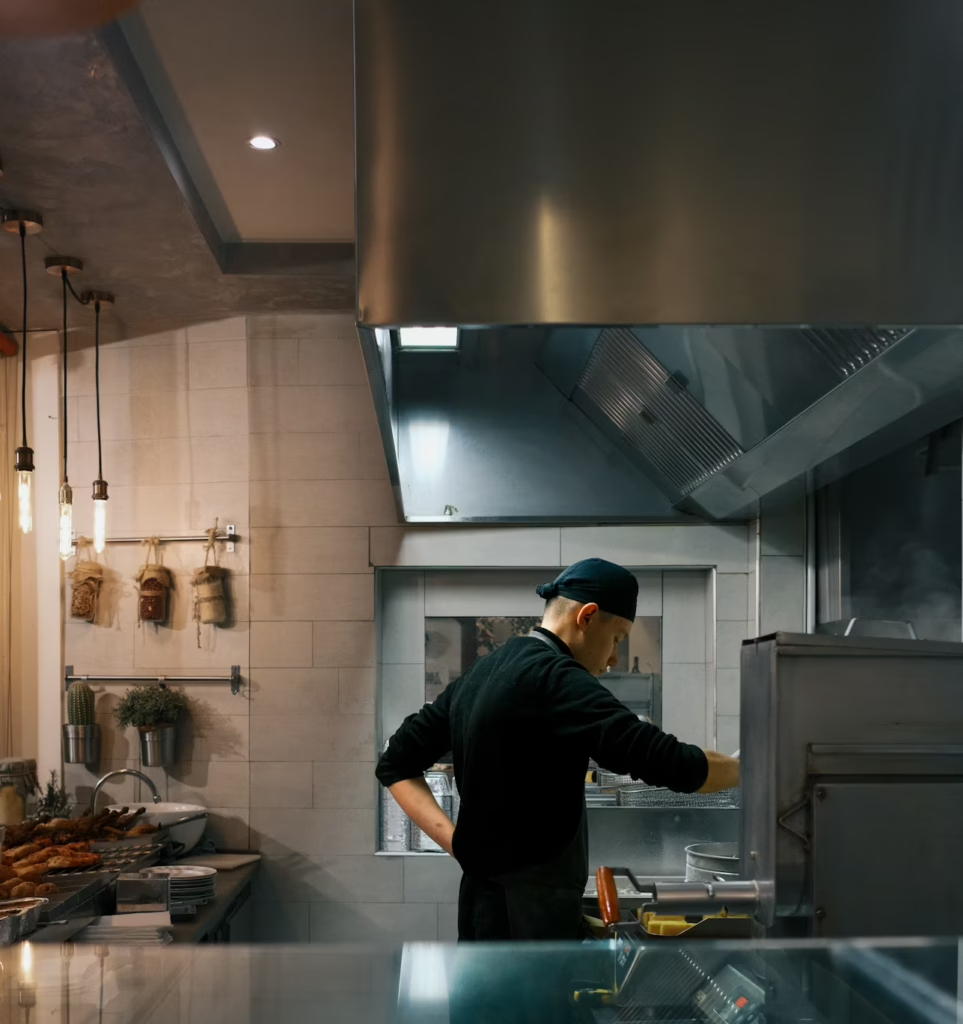
Our certified cleaning technicians bring years of hands-on experience working in commercial kitchens, restaurants, cafeterias, and other food service operations. They are trained to meet the highest industry standards and follow NFPA 96 fire code and food safety protocols during every cleaning. Using advanced equipment and proven techniques, we ensure your kitchen remains safe, compliant, and running at peak efficiency while providing key benefits such as fire prevention by eliminating grease buildup, improved air quality for a safer work environment, enhanced ventilation efficiency, long-term cost savings through extended equipment life and reduced energy use, and full compliance with NFPA 96 and other safety standards.
- We clean exhaust hoods and ducts to remove grease and lower fire risk
- Filters, fans, and grease traps are fully cleaned to improve airflow
- Routine service helps you stay compliant and avoid violations
- We provide photo reports and certificates for inspectors and insurers
- Flexible scheduling keeps your kitchen running without delays
Frequently Ask Questions
Maintaining a properly functioning Restaurant Hood fire suppression system is vital for kitchen safety and regulatory compliance. National fire protection standards require that your system be serviced and inspected at least every six months by certified technicians. Our FAQ below answers key questions about inspection frequency, system testing, maintenance practices, and what to expect during service to help you keep your fire protection system reliable and compliant.
Restaurant Hood systems should be professionally cleaned and inspected every 6 months as required by NFPA 96 fire code. More frequent service may be necessary depending on the volume of cooking and grease buildup.
We clean and service nozzles, fusible links, piping, discharge heads, pull stations, and the detection line. Grease buildup is removed from all exposed components for safe operation.
Regular cleaning removes grease and residue that can block nozzles and detection lines. This ensures your fire suppression system activates properly during emergencies and keeps your kitchen compliant with safety codes.
Yes. Most local fire marshals and health departments require routine Restaurant Hood system cleaning to meet fire safety regulations. Failing to comply can result in fines or insurance issues.